
What is SIBO ?
Small intestinal bacterial overgrowth (SIBO) is a condition in dogs where there is too much bacteria in the small intestine. This prevents the body from absorbing nutrients from food.
Symptoms
- Chronic diarrhea
- Weight loss
- Abdominal pain
- Nausea
- Bloating
- Feeling full after eating
- Foul-smelling stools
Causes
- Inadequate thyroid levels
- Low pancreatic enzyme production
- Low stomach hydrochloric acid levels
- Intestinal disease
- Exposure to infected animal feces
- Food or waterborne transmission
Treatment
- Dietary therapy
- Supplements
- Highly digestible, low fiber diet
- Probiotics and prebiotics
What does SIBO poop look like?
Foul-smelling stools: With SIBO, the bile acids used to absorb and break down fat may be deficient, causing malabsorption and resulting in greasy, oily, smelly, or floating stools.
What to feed a dog with SIBO?
A highly-digestible, lower fiber diet will help reduce the amount of “fuel” available for bad bacteria to feed on and thrive in the small intestine. Long-term feeding of probiotics and prebiotics might also be considered to help prevent the development of SIBO
SIBO, can be caused by a number of factors in dogs with EPI:
Undigested food – due to not using the correct amount of enzymes.
Lack of anti-bacterial factors – pancreatic juice may lack antibacterial factors.
Changes in intestinal motility – intestinal motility may change.
Altered immune function-Gastrointestinal immune function may be altered.
And other things like:
diet high in grains and processed foods,
medications such as antibiotics, corticosteroids, non-steroidal anti-inflammatory drugs, and stress.
Symptoms include:
– loose stools,
– gurgling in the stomach,
– extremely smelly flatulence,
– and sometimes a noticeable strong odor coming from your dog.
Our own dog developed this and I would describe the smell as rotting broccoli/vegetation
Treatment options:
Antibiotics:
Specific antibiotics like Tylosin (Tylan) or Metronidazole are often prescribed to control the overgrowth. They usually require a 30-day course.
Probiotics and Prebiotics:
These can help restore the health gut balance. Many owners,
(including ourselves) have found that acting quickly with probiotics and prebiotics at the first sign of SIBO can avoid the need for antibiotics.
Being attentive to changes in your dog’s stool and behaviour can help you catch SIBO.
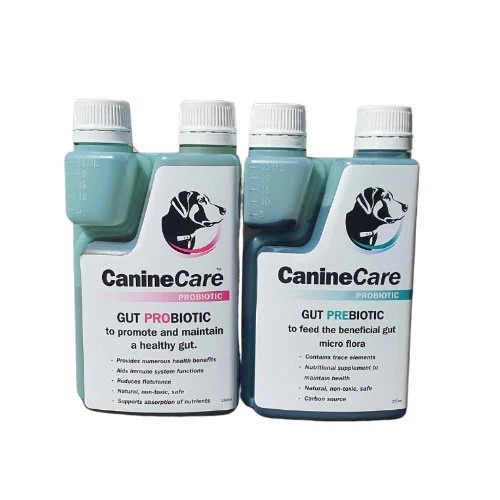
We have found by using CanineCare Gut Pre/Probiotics as soon as we can smell our dog, we manage to stop SIBO from developing.
Note: Canine Care have generously given our Site users a 20% discount on their products (to assist in keeping our costs down).
Use this link:
https://www.caninecareprobiotic.com/discount/EPI
By keeping an eye on B12 levels and being proactive about managing SIBO/Intestinal dysbiosis, you can address these common challenges effectively.
Each dog is different, so finding what works best for your dog may take some time, but these steps can make a significant difference.