
Genetic EPI is not a disease that can be treated with a set dosage of enzymes and then cured. It cannot be cured due to the pancreas atrophying and becoming unable to produce the enzymes (Amylase, Lipase, Protease) that are needed to help the dog digest food.
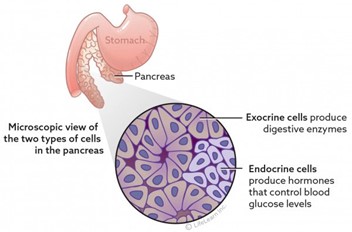
Freeze-dried porcine (pork) enzymes replace the crucial missing enzymes and help with the following processes:
Amylase – This enzyme helps break down starches into sugar, which the body can use for energy. If there isn’t enough amylase, there may be diarrhea from undigested carbohydrates.
Lipase – This enzyme works together with bile, which the liver produces, to break down fat in the diet. If there is not enough lipase, the body will have trouble absorbing fat and the important fat-soluble vitamins (A, D, E, K). Symptoms of poor fat absorption include diarrhea and fatty bowel movements.
Protease – This enzyme breaks down proteins in the diet. It also helps protect from germs that may live in the intestines, like certain bacteria and yeast. Undigested proteins can cause allergic reactions in some.
___________________________________________________________________________________________________________________________________________________
All EPI dogs may need slight or major adjustments and variations in their individualized program; indeed, identifying these needs and ‘tweaking’ the treatment to your dog’s individual situation is the challenge you are facing. This will require patience and perseverance, but the end result will be worth all the effort.
Do not be afraid to make changes if things are not improving within the first week. If you have not seen any improvements after several days, do not wait any longer to try something else.
Pay close attention to the results of all changes made, as you may need to repeat a similar protocol at a later date, and you will have a record of how to achieve results – or avoid disasters.
It is enormously helpful to keep a journal in which you note down all aspects of your dog’s care and condition; everything ranging from:
- types of food,
- supplements,
- replacement enzyme and/or other medicines,
- what your dog’s stools look & smell like
- how many and when,
- how long you let your dog’s food sit with the enzymes in ‘pre-treating’ the food, and how much water you are adding, etc.
This way you will have a record and can detect any negative or positive patterns and pinpoint any offending foods and supplements or strategies are not working.
Learning to manage your dog’s EPI involves a slow and steady learning curve that simply cannot be avoided. As much as people would like to hear “do these things and you will be all set, forever,” EPI is not always that simple.
Patience, perseverance, and a sense of humor are vital ingredients to managing this oftentimes very frustrating condition. Some setbacks are common.
Please note: If your dog is allergic to pork, we may be able to obtain beef or sheep pancreatic enzymes for you.