What is the function of the pancreas?
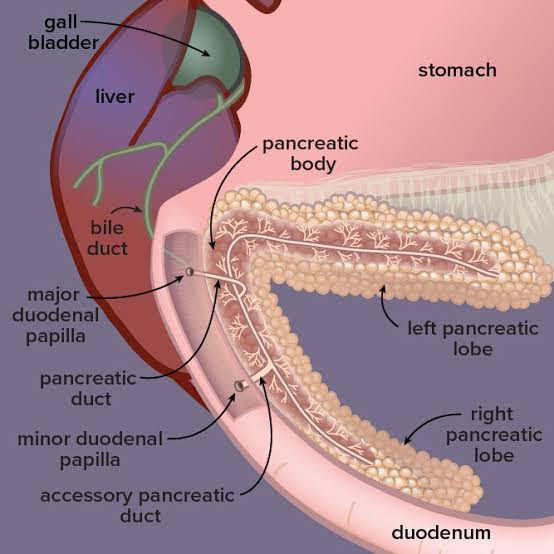
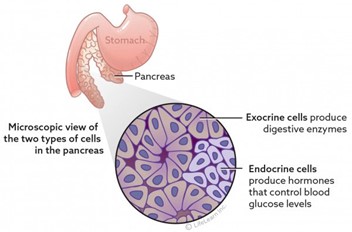
The pancreas has two separate and distinct functions which are its endocrine and exocrine functions. The pancreas produces enzymes that digest fats, carbohydrates, and proteins. This is the exocrine function of the pancreas.
Exocrine Pancreatic Insufficiency (EPI) is a condition where the pancreas fails to produce enough enzymes to digest fats, carbohydrates, and proteins. This leads to poor nutrient absorption, often causing weight loss despite a normal or increased appetite. Affected dogs may have large volumes of pale, fatty feces, known as steatorrhea.
Causes of EPI
EPI can be:
- Congenital: Present from birth.
- Inherited: Genetic predisposition.
- Acquired: Resulting from pancreatic infection, inflammation, or injury.
Certain breeds, such as German shepherds, rough-coated collies, and Cairn terriers, are more prone to EPI. The main cause is often a progressive loss of pancreatic cells, but chronic pancreatitis or autoimmune conditions can also lead to EPI.
Symptoms
Common signs include:
- Chronic diarrhea or very soft, bulky, fatty feces.
- Excessive appetite.
- Occasional vomiting.
- Gradual weight loss over months.
Diagnosis
The preferred diagnostic test is the Canine Trypsinogen-Like Immunoassay (cTLI), often combined with Vitamin B12 and folate level tests.
Treatment
Treatment usually involves:
- Highly digestible, low-fat diets.
- Pancreatic enzyme replacement (via tablets or freeze dried porcine powder)
- Vitamin B12 supplementation if needed.
Prognosis
With accurate diagnosis and treatment, most pets do well, though lifelong treatment is required.
Cure
EPI due to chronic pancreatitis may resolve as the pancreas heals, but the most common cause, progressive destruction of pancreatic cells, cannot be cured and must be managed with medications/enzymes and diet.